Ilford IG1 rubbish removal guide for homeowners
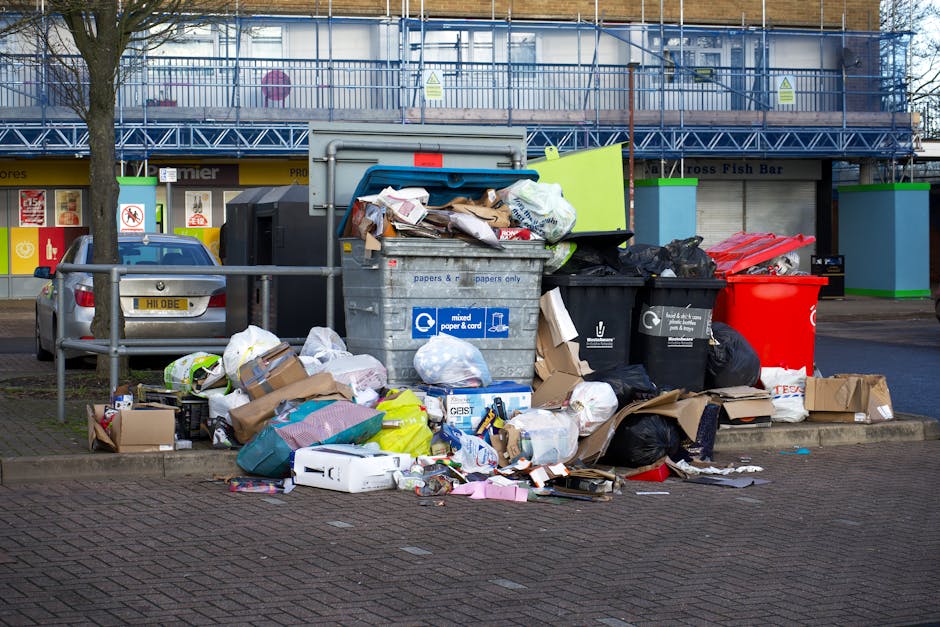
If you live in Ilford IG1, rubbish builds up faster than most people expect. A bit of DIY here, a loft tidy-up there, a broken wardrobe in the hallway for "just a day or two" - and suddenly the house feels smaller, messier, and oddly harder to relax in. This Ilford IG1 rubbish removal guide for homeowners is here to make the whole thing feel much simpler. We'll cover how rubbish removal works, when it makes sense, what to avoid, and how to choose the right option for your home without wasting time or money.
Whether you're clearing a garden, sorting a garage, replacing furniture, or dealing with a bigger house project, the key is to match the method to the waste. That's where many homeowners go wrong. Not because they're careless, just busy. So let's take it step by step.
Why Ilford IG1 rubbish removal matters
Rubbish removal is not just about making a space look nicer, though that is part of it. In a busy area like Ilford IG1, clutter can quickly become a practical problem. Bags of mixed waste take up precious driveway space, old furniture blocks rooms, and renovation debris can make it harder to keep a home safe and usable. Let's face it, nobody wants to step over broken plasterboard on a Sunday morning.
For homeowners, the real value of a good rubbish removal plan is control. You decide what leaves, when it leaves, and how it is handled. That matters when you're juggling family life, work, parking, and the general chaos of home projects. It also matters if you want waste dealt with properly, rather than dumped in a corner and forgotten about for three weeks.
There's another side to it too. Different waste types need different handling. General household rubbish, garden cuttings, old appliances, renovation debris, and anything potentially hazardous should not all be treated the same way. Choosing the right service protects you from expensive mistakes and helps keep disposal efficient. If you want to understand the broader hire options first, it can help to look at domestic skip hire and rubbish removal before deciding.
How Ilford IG1 rubbish removal guide for homeowners works
At a simple level, rubbish removal means collecting unwanted waste from your property and moving it to an approved facility for sorting, recycling, or disposal. For most homeowners, the process falls into one of three approaches: a collected skip, a man-and-van style load-and-go service, or a wait-and-load arrangement where waste is loaded quickly while the vehicle stays on site only briefly.
The right option depends on volume, access, timing, and what the waste actually is. If you have a driveway and time to fill a container over a couple of days, skip hire may suit you. If parking is tight or the waste is already bagged and ready, a collection service can be more practical. If the road is awkward and you do not want a skip sitting outside overnight, a wait-and-load service can be a neat compromise.
It's worth checking what can and cannot go in a container before you book anything. A clear guide like what can go in a skip helps avoid awkward surprises on collection day. Not glamorous, I know, but it saves a lot of back-and-forth.
In many homes, especially where access is narrow or parking is limited, the logistics matter as much as the waste itself. That's why some people also compare wait and load skip hire with a more traditional option, or even check grab hire services for bulky, mixed loads that can be lifted quickly.
Key benefits and practical advantages
A well-planned rubbish removal service saves time, but the real benefit is usually the mental relief. When a stack of broken wardrobes or black bags disappears in one go, the house feels lighter. You can move again. Work on the room. Breathe a bit.
- Less strain: You do not need to make repeated trips to a disposal site or load a car up multiple times.
- Better safety: Piles of rubble, glass, timber offcuts, and old appliances can create trip hazards at home.
- Cleaner workflow: If you're decorating or renovating, removing waste in stages keeps the project moving.
- More suitable for mixed loads: Different services can handle household, garden, or renovation waste more efficiently than trying to DIY everything.
- Improved peace of mind: Professional waste handling reduces the chance of fly-tipping or improper disposal.
There's also a practical money angle. Homeowners often assume the cheapest option is always to do it themselves, but once you factor in fuel, time, parking, lifting, and the risk of doing the job twice, that picture changes pretty quickly. Sometimes it's cheaper to get the right solution first time. A bit unromantic, but true.
If you are comparing container sizes, a page like skip sizes and prices can help you think in real-world terms rather than guesswork. The same goes for understanding overall pricing and quotes before you commit.
Who this is for and when it makes sense
This guide is for homeowners who want a no-nonsense way to deal with unwanted waste. It is especially useful if you are in one of these situations:
- you are clearing a loft, garage, shed, or spare room
- you have just finished decorating or light renovation work
- you are replacing furniture or white goods
- your garden has become a mini jungle after a busy season
- you're preparing a property for sale or new tenants
- you want a one-off clear-out rather than a long-term waste solution
It also makes sense if the house is already feeling cramped. In smaller homes and terraced streets, waste can take over fast. One weekend of decluttering can produce more rubbish than you expected, especially when old storage boxes, broken shelving, and random "I might need this later" items all come out together.
For more substantial clear-outs, you may also want to explore house clearance or garage and loft clearance. Those pages are particularly relevant if the job is less about a few bags and more about a proper reset.
Step-by-step guidance
Here's a simple way to handle rubbish removal without overcomplicating it.
- Sort the waste first. Separate general household rubbish, recyclable items, green waste, bulky furniture, and anything you think may need special handling.
- Estimate the volume. A few bin bags is very different from a full room of items. Be realistic. People often underestimate, then end up short on space or budget.
- Check access. Is there a driveway? A clear front path? Narrow parking? A steep kerb? These small details affect the best option.
- Identify restricted items. Fridges, mattresses, sofas, and some appliances can need specific handling. Hazardous items need extra care.
- Choose the collection method. Skip, wait-and-load, man-and-van, grab lorry, or another method depending on what you're clearing.
- Book the right day. If possible, pick a time when access is easiest. Early mornings can be calmer on residential streets.
- Load safely and sensibly. Put heavy items low, keep sharp objects contained, and do not overfill beyond the stated limits.
- Confirm disposal details. A reliable operator should explain how waste is handled and whether recycling is part of the process.
A lot of homeowners skip the first step because it feels slow. It isn't glamorous. But sorting before collection usually makes the rest of the job smoother, cleaner, and less expensive.
For appliance-heavy jobs, the dedicated fridge and appliance removal page is a sensible place to start. And if you're getting rid of old beds or seating, mattress and sofa disposal can be the more appropriate route.
Expert tips for better results
Over the years, the homeowners who get the smoothest experience tend to do a few things well. Nothing fancy. Just practical habits.
- Pack by weight, not just by shape. Heavy items should go in first so the load stays stable.
- Break down bulky items. Flat-pack frames, dismantled shelving, and cut-up wood save a surprising amount of space.
- Keep recyclable material separate where possible. Clean cardboard, metals, and green waste are often easier to process separately.
- Use bags or tubs for loose debris. Small fragments of plaster, soil, or broken bits become much easier to handle.
- Think about timing. If you're on a busy road in Ilford, quieter hours may make the collection more straightforward.
- Ask about permit needs early. If the container cannot go on private land, you may need to plan around street placement.
One small thing many people forget: if you're clearing a loft or garage, create a "maybe" pile separately. It sounds obvious, yet every clear-out seems to produce one mysterious box of chargers, old keys, and cables nobody can identify. Very normal, honestly.
If your project is more about outside space, garden waste removal can be a better fit than trying to squeeze everything into a general load. And if access is tight, consider man and van services for items that need carrying out by hand rather than lifted mechanically.
Common mistakes to avoid
Most rubbish removal problems are avoidable. The tricky part is that the mistakes usually feel small at the time.
- Mixing restricted waste with general waste. That can cause delays or extra charges.
- Underestimating the load size. A half-full garage can still turn into a surprisingly large disposal job.
- Ignoring access issues. If a vehicle cannot get near the property, the collection may be slower or need a different method.
- Forgetting about parking or permits. In residential streets, this one catches people out more often than you'd think.
- Overfilling. It might look efficient, but it can make collection unsafe or non-compliant.
- Leaving waste out too early. This can attract pests, neighbours' complaints, or weather damage.
There is also a trust mistake: choosing a service without checking how it handles disposal. Homeowners should be comfortable asking where the waste goes and whether sorting and recycling are part of the process. A proper operator should not act vague about that. If they do, that's a little red flag waving in the wind.
Tools, resources and recommendations
You do not need a van full of equipment to manage rubbish removal well. A few simple tools make a big difference, though.
- Heavy-duty bags for mixed light waste and loose items
- Work gloves to protect against splinters, glass, and rough edges
- Mask or dust covering if you are clearing dusty lofts or old insulation around harmless debris
- Trolley or sack truck for heavier household items
- Labels or tape to mark keep, recycle, donate, and dispose piles
- Measuring tape if you want a better estimate of load size
For planning, the most useful resources are usually the service pages that explain capacity, waste types, and collection methods in plain English. Start with skip hire if you want a container-based solution, or review same day skip hire if the job is time-sensitive. If you are still mapping out the best route, recycling and sustainability is also worth a look for the wider disposal approach.
For homeowners who want the basics before booking, about us can help build confidence in the company behind the service, and insurance and safety is sensible reading if you want extra reassurance around risk management.
Law, compliance, standards, or best practice
Waste disposal in the UK is not something to leave to guesswork. Homeowners do not need to become compliance experts, but they should understand the basics. Waste should be passed to a responsible carrier, and not dumped somewhere questionable because it was cheap or convenient. That is the sort of shortcut that can rebound badly.
Best practice is straightforward: keep waste separated where practical, do not include prohibited items in general loads, and choose a provider that can explain how the waste is handled. If you are placing a skip on a public road, permits may be required depending on location and circumstances. Rules can vary, so it is wise to check early rather than assuming. If you need more clarity, the dedicated skip hire permits and skip permits pages are the right place to look on-site.
Hazardous items deserve extra caution. Paints, solvents, batteries, and similar materials should not be treated like garden clippings. If you think something might be risky, check before loading it. The safest habit is simple: when in doubt, ask.
Also, do not overload containers or leave sharp material protruding. That is basic safety, but it matters. One awkwardly placed sheet of broken timber can turn a simple pickup into a headache.
Options, methods, or comparison table
Here's a practical comparison of the most common homeowner options.
| Method | Best for | Strengths | Trade-offs |
|---|---|---|---|
| Skip hire | Medium to larger home clear-outs, renovations, mixed waste | Flexible loading, convenient for ongoing work, good for bulk | Needs space, may need a permit if on the road |
| Wait and load | Short, organised loads where space is tight | Fast, no long-term container on site | Requires waste to be ready quickly |
| Man and van | Bagged rubbish, furniture, mixed household items | Handy for awkward access, often efficient for one-off jobs | Less ideal for ongoing loading over several days |
| Grab lorry | Heavier loads, bulky waste, outdoor clearances | Can handle large volumes quickly | Needs practical access and suitable space for the vehicle |
There is no single best answer for every Ilford home. A terrace with no driveway has very different needs from a property with private parking and a weekend renovation underway. That is why local judgement matters as much as the service itself.
If you're looking for a container that feels more secure, especially where passers-by or weather are a concern, enclosed and lockable skip hire may be worth comparing. And for heavier site-style clearances, builders skip hire or builders waste removal may be more appropriate than a general household setup.
Case study or real-world example
Imagine a homeowner in IG1 clearing a spare room before a new baby arrives. They start with a broken desk, two wardrobes, half a dozen bin bags, a rolled carpet, and a small pile of old boxes that have somehow multiplied over time. Classic. At first glance, it sounds like a simple load. Then they notice a heavy mirror, a few paint tins, and an old appliance tucked behind the door.
In that situation, the easiest option is not always the cheapest-looking one on paper. If the items are ready at the front of the property and the road is awkward for parking, a short collection window or wait and load skip hire can save time and street hassle. If the homeowner wants to fill a container across the day while dismantling furniture, standard skip hire may suit better. If the bulky furniture is the main issue, a combined collection approach may be more sensible.
The important bit is that the service matches the reality of the job. Not the tidy version in your head. The real one, with the odd awkward object and one item nobody remembered until the last minute.
That small adjustment in planning usually makes the whole project calmer. Less arguing. Less lifting. Less staring at a heap of stuff and wondering where to even begin.
Practical checklist
Use this before you book a collection or set out to load a container.
- Have I sorted the waste into clear groups?
- Do I know roughly how much space the rubbish will take?
- Have I checked whether any items need special disposal?
- Is access clear for the vehicle or team?
- Do I know if the container will sit on private land or public road?
- Have I looked at permit needs if required?
- Am I keeping sharp, heavy, or fragile items safely packed?
- Have I compared the likely options for my property layout?
- Do I understand what is included in the service?
- Have I set aside time to finish the job properly, not halfway?
Expert summary: The best rubbish removal plan is usually the one that matches your access, your waste type, and your timetable. If one of those three is ignored, the job gets harder than it should be.
Conclusion
For homeowners in IG1, rubbish removal is really about making home life workable again. It is not just disposal. It is space, safety, and a bit of breathing room. The right approach depends on what you are clearing, how quickly you need it gone, and how easy your property is to access. Once those pieces are clear, the rest becomes much easier.
If you remember only one thing from this guide, let it be this: match the waste to the method. That simple choice saves time, reduces stress, and usually leads to a better result. And if the job is bigger than it first looked, that is perfectly normal. Happens all the time.
Get a free quote today and see how much you can save.
When the clutter finally leaves, the house feels different. Quieter, somehow. Better. That's the bit most people remember.
Frequently Asked Questions
What is the best rubbish removal option for a typical Ilford IG1 home?
It depends on the amount and type of waste. For mixed household rubbish or ongoing clear-outs, skip hire or a man-and-van style service is often the most practical. For quick loads with limited space, wait-and-load can work well.
Do I need a skip permit in Ilford IG1?
If the skip is going on a public road rather than private land, a permit may be needed. The exact requirement depends on placement and local conditions, so it is best to check before booking.
Can I put furniture in a rubbish removal load?
Yes, in many cases you can. Sofas, wardrobes, tables, and similar items are commonly collected, although some items may need special handling depending on size, material, or condition.
What should I do with an old fridge or freezer?
Fridges and freezers should be treated as appliance waste, not general rubbish. They may require separate collection or a dedicated appliance removal service.
Is rubbish removal better than skip hire for a small clear-out?
Often yes. If you only have a few bulky items or a small pile of bags, a collection service can be more efficient than arranging a skip, especially if space is tight.
How do I know which skip size I need?
Think about the volume of waste rather than just the number of items. A handful of bulky objects can take more room than expected. A guide like skip sizes and prices can help you judge more accurately.
Can garden waste go with household rubbish?
Sometimes it can, but separate garden waste is often easier to process and may be handled more efficiently. Green waste, soil, and branches are better assessed before mixing everything together.
What happens to the waste after collection?
In a well-run service, the waste is taken to a suitable facility where it is sorted, recycled where possible, and disposed of responsibly. The exact process depends on the type of waste collected.
Are there items I should never mix into a general load?
Yes. Hazardous items such as certain chemicals, batteries, and other risky materials need special attention. If an item seems questionable, it is safer to check before including it.
How quickly can rubbish be removed from my home?
That depends on the service and the availability of access. Some jobs can be handled very quickly, especially if the waste is ready and the property is easy to reach. Same-day options may be possible in some cases.
What if I live on a narrow street with limited parking?
That usually points you towards a collection method that works quickly, such as wait-and-load or man-and-van. Narrow access is common in residential parts of London, so it is a normal issue rather than a problem.
Where can I learn more about choosing the right waste service?
You can compare the service pages for domestic clear-outs, permits, waste handling, and prices. Useful starting points include domestic skip hire, what can go in a skip, and recycling and sustainability.